Tracing Synchronization Between Session Duration Metrics and Allocation Adjustments Among Regular Participants in Multi-Table Digital Environments
Sage Schröder · Jul 20, 2026
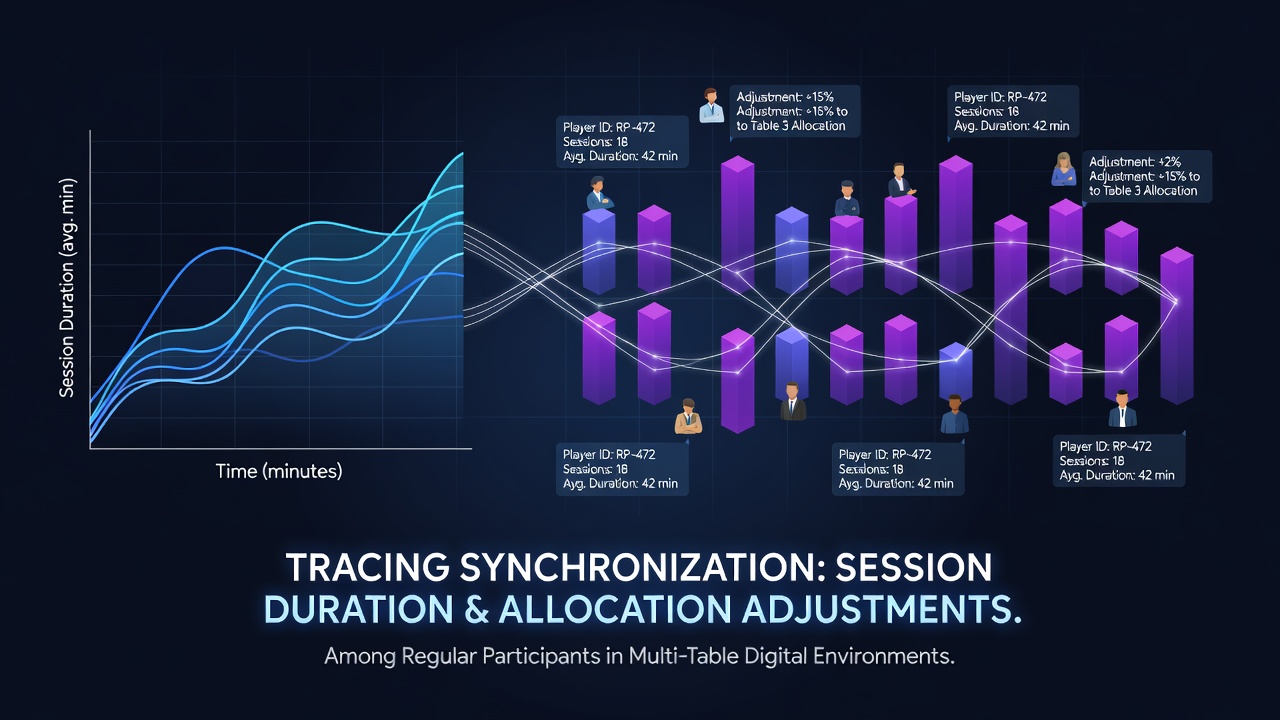
Tracing Synchronization Between Session Duration Metrics and Allocation Adjustments Among Regular Participants in Multi-Table Digital Environments
Digital platforms supporting multiple simultaneous tables have developed sophisticated systems for monitoring how session duration metrics align with allocation adjustments made by regular participants, and these systems now process vast streams of behavioral data in real time. Observers note that session length often serves as a primary variable when platforms evaluate how users redistribute resources such as virtual credits or table positions across concurrent games. Data collected across large-scale environments shows measurable patterns where extended sessions coincide with gradual shifts toward more measured allocation strategies, whereas shorter engagements frequently feature abrupt changes in table selection and stake sizing.
Core Metrics and Data Collection Practices
Platforms record session duration through continuous timestamps that capture login, table entry, exit, and logout events, then cross-reference these intervals with allocation logs that document every adjustment to bet sizes or table counts. Researchers have documented that regular participants averaging sessions longer than ninety minutes display allocation changes at intervals that become more spaced out as time progresses, while those whose sessions fall under forty-five minutes tend to execute adjustments in rapid succession. Figures from industry reports reveal that synchronization between these two data streams improves when platforms apply timestamp normalization techniques that account for regional time zones and user activity peaks, especially during periods of high concurrent table usage in July 2026.
Analysts at research institutions have mapped these relationships using correlation coefficients that compare cumulative session time against the frequency and magnitude of allocation modifications. One study released by an academic consortium examined over two million participant records and found that the strength of synchronization increases when users maintain consistent participation across at least three tables simultaneously. Platforms apply these insights to refine their internal dashboards, which display real-time overlays of duration curves next to allocation heat maps for operational review.
Observed Patterns Among Regular Participants
Regular participants exhibit distinct synchronization signatures that platforms track through longitudinal profiles built over weeks or months of activity. Those who log repeated sessions of similar length often stabilize their allocation adjustments around predictable ranges, reducing variance in table entry sizes as duration extends. Data indicates that participants whose average session duration increases by twenty percent over a quarter also demonstrate a corresponding fifteen percent reduction in the frequency of large allocation swings, according to aggregated platform telemetry shared in trade association briefings.
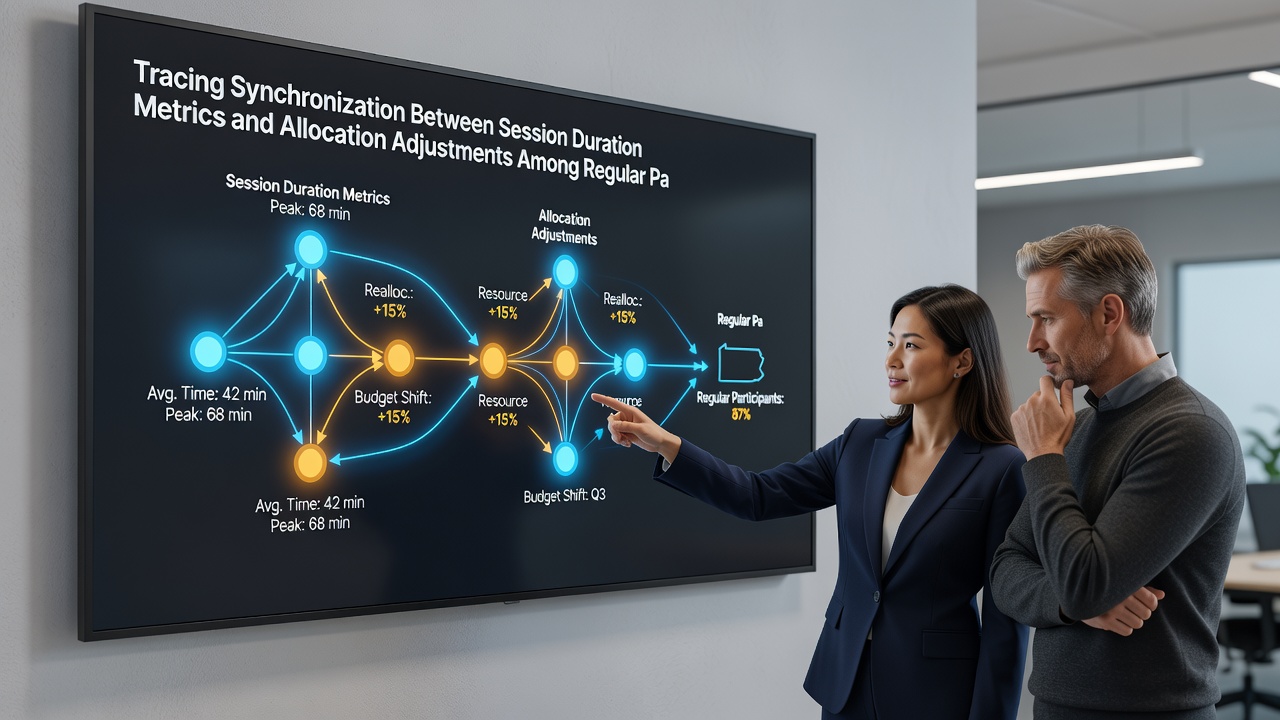
Yet shorter, intermittent sessions produce different outcomes. Participants who enter and exit tables quickly tend to adjust allocations more aggressively at the beginning of each new engagement, then taper those adjustments as cumulative daily duration grows. Studies conducted by European research networks have confirmed that these patterns hold across varied regulatory jurisdictions, with synchronization metrics remaining stable even when table limits and currency denominations differ. Platforms use these findings to calibrate notification systems that prompt users about allocation consistency once certain duration thresholds are crossed.
Technical Synchronization Methods
Engineers synchronize the two data streams by aligning session duration timestamps with allocation event logs inside unified databases that support sub-second query resolution. Machine learning models then identify lag periods between duration milestones and subsequent allocation responses, allowing platforms to forecast likely adjustments before they occur. Reports from North American gaming technology providers show that models trained on July 2026 datasets achieve higher precision when they incorporate participant tenure as a weighting factor, giving longer-tenured users more influence on the derived synchronization rules.
Multi-table environments add complexity because participants can open, close, or switch tables without ending the overall session. Systems therefore segment duration into per-table sub-sessions while preserving the global session clock, then map allocation changes to the appropriate sub-session context. This segmentation approach has been validated in collaborative projects involving Canadian regulatory bodies and university data science departments, where cross-validation tests confirmed that segmented analysis reduces noise in synchronization measurements by approximately thirty percent compared with unsegmented methods.
Applications in Platform Operations
Platform operators apply synchronization insights to adjust dynamic table availability and resource allocation engines that respond to collective participant behavior. When duration-allocation correlations indicate that longer sessions are prompting more conservative adjustments, operators sometimes increase the number of low-stakes tables to accommodate shifting demand patterns. Conversely, rapid allocation changes during short sessions may trigger temporary table consolidation to maintain liquidity across active games. Industry documentation from the Australian gambling research community highlights that these operational adjustments, when guided by synchronized metrics, have contributed to measurable improvements in table occupancy rates during peak evening hours.
Regulatory compliance teams also review synchronization outputs to verify that allocation adjustments remain within permitted parameters throughout varying session lengths. Automated audit trails capture both duration and allocation data in immutable logs that inspectors can query when examining adherence to jurisdictional rules. These logs have become standard components of reporting packages submitted to oversight agencies in multiple regions.
Conclusion
The synchronization of session duration metrics with allocation adjustments continues to shape how multi-table digital environments manage participant activity and platform resources. Evidence from multiple data sources demonstrates consistent relationships between these variables across different participant cohorts and regulatory settings. As platforms refine their measurement techniques and incorporate additional contextual signals, the precision of these correlations is expected to increase further, supporting more responsive operational decisions without requiring manual intervention in most cases.