Investigating Ties Between Sleep Disruptions and Changes in Wager Amounts During Evening Online Play Sessions
Vera Carter · Jul 1, 2026
Investigating Ties Between Sleep Disruptions and Changes in Wager Amounts During Evening Online Play Sessions
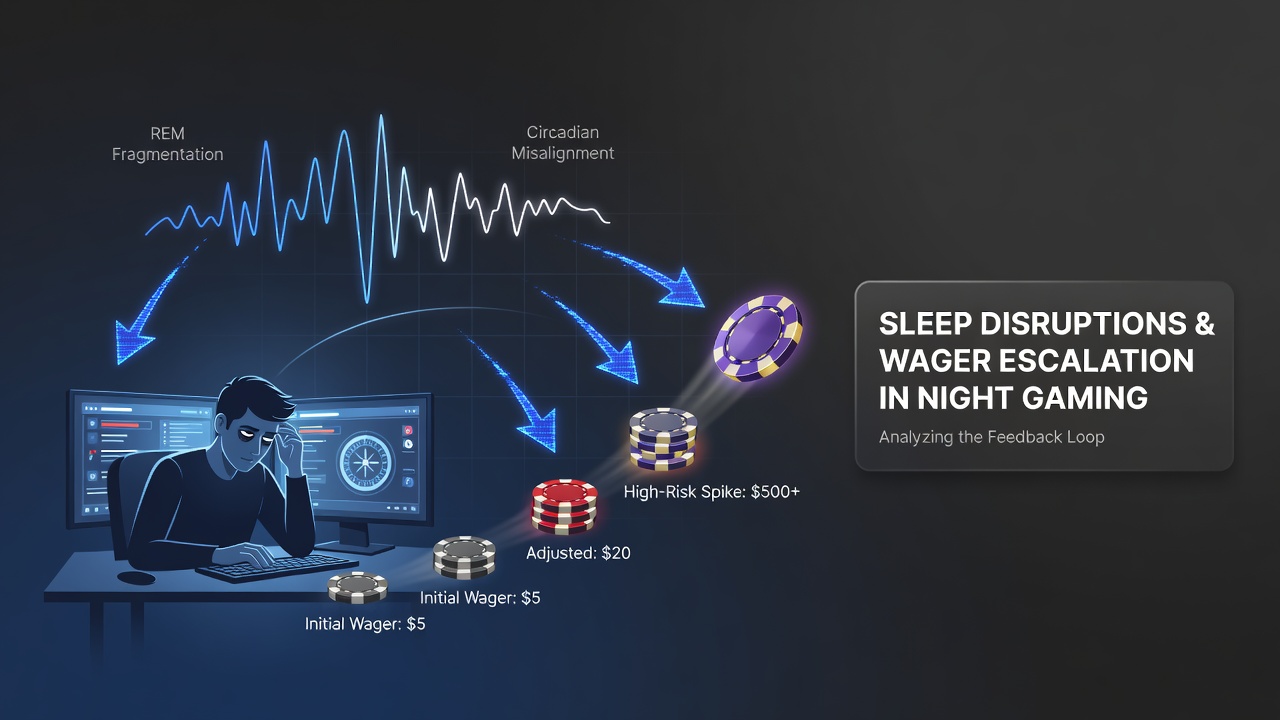
Researchers continue to examine how interruptions in natural sleep patterns connect to shifts in betting amounts among players who engage in online gaming during nighttime hours, and data from multiple studies highlight measurable patterns in decision-making under fatigue. Circadian rhythms regulate alertness levels throughout the day, while disruptions from extended screen time and irregular bedtimes alter hormone balances such as melatonin and cortisol, which in turn influence risk assessment processes during gaming activities.
Core Mechanisms of Sleep Regulation and Their Daily Impact
Human sleep follows predictable cycles that include light, deep, and REM stages, each serving distinct restorative functions, yet late-night gaming sessions often extend into periods when the body expects rest and this timing interferes with those stages. Studies show that exposure to blue light from screens suppresses melatonin production, which delays sleep onset and reduces overall sleep quality, while players who continue sessions past midnight experience cumulative effects on cognitive performance by the following day. Observers note that these physiological changes coincide with periods when many online platforms report higher volumes of activity, creating conditions where fatigue accumulates without immediate awareness.
How Fatigue Influences Decision Processes in Gaming Environments
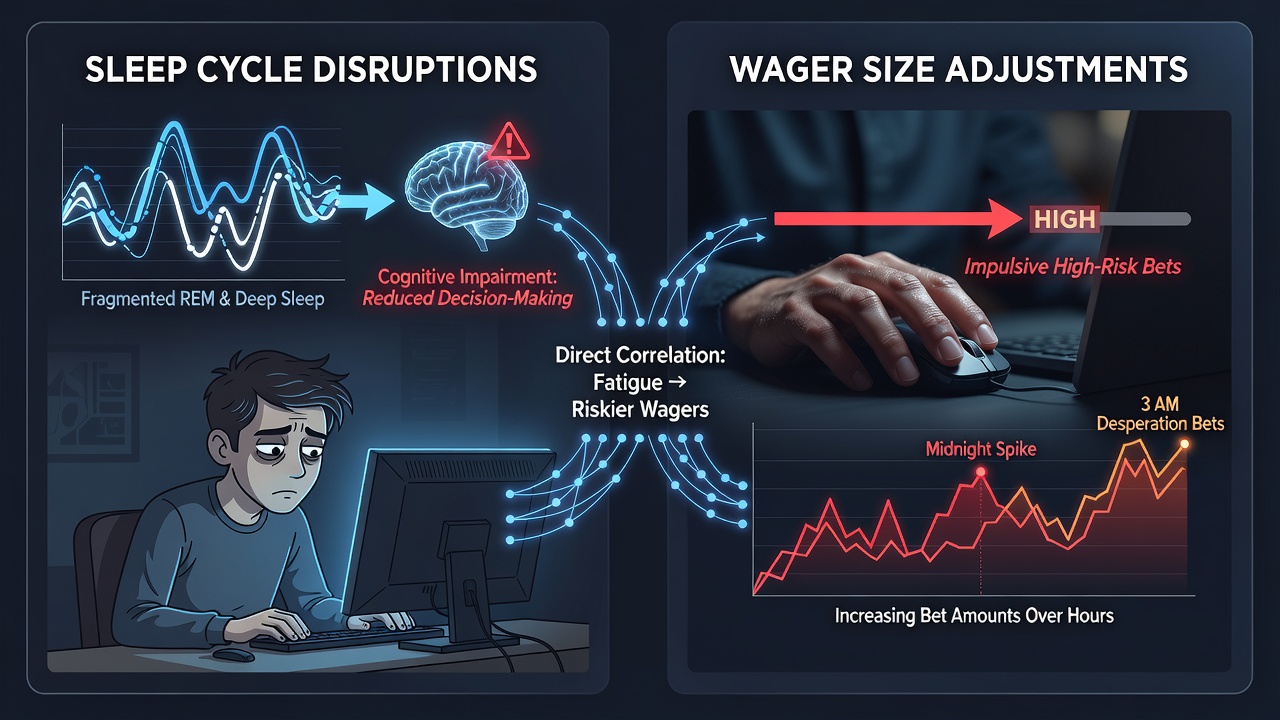
Evidence from cognitive research indicates that sleep-deprived individuals display altered activity in brain regions responsible for evaluating potential gains and losses, leading some participants to adjust their stake sizes upward as the night progresses. Data collected from digital gaming platforms reveal that wager amounts tend to increase after several consecutive hours of play, particularly between 11 p.m. and 3 a.m. local time, although the exact drivers involve both reduced inhibitory control and heightened reward sensitivity. One study revealed that participants who stayed awake past their usual bedtime selected riskier options more frequently than rested counterparts, and similar trends appear in aggregated player data from regulated markets across North America and Europe.
Patterns Observed in Nighttime Session Data
Platform analytics from various operators demonstrate that sessions starting after 10 p.m. often feature gradual escalations in average bet values, especially among users who log in repeatedly over several nights in succession. Figures released in July 2026 by industry monitoring groups showed a 14 percent rise in larger-stake transactions during overnight windows compared with earlier evening periods, while cross-referenced health surveys linked these behaviors to self-reported sleep disturbances. Those who've tracked user logs over extended periods find that players who maintain consistent late schedules frequently display wider fluctuations in stake sizing within single sessions, suggesting a connection between accumulating tiredness and more variable betting choices.
Supporting Research from Academic and Health Institutions
Investigators at several universities have conducted controlled experiments pairing gaming simulations with sleep monitoring equipment, and results consistently point to measurable increases in bet sizes after 90 minutes of sleep restriction. According to findings published through the National Institutes of Health database, subjects who experienced fragmented sleep cycles placed wagers averaging 22 percent higher than baseline levels during simulated late-night rounds. Additional reports from the Australian Institute of Health and Welfare document parallel trends in population-level data, where self-reported sleep problems correlate with extended play durations and corresponding changes in expenditure patterns among digital gaming participants.
Regional Regulatory Perspectives on Player Behavior Monitoring
Authorities in multiple jurisdictions track behavioral indicators that include session length and stake adjustments as part of broader responsible gaming frameworks, and data shared by the Canadian Centre on Substance Use and Addiction highlight connections between sleep-related fatigue markers and elevated risk indicators. European regulators have incorporated similar metrics into their oversight protocols, noting that overnight activity peaks often coincide with higher instances of rapid stake increases, which prompts automated alerts within licensed platforms. These monitoring systems rely on aggregated statistics rather than individual identification, yet they provide researchers with larger datasets for analyzing how circadian misalignment may contribute to shifting wager strategies.
Future Directions for Integrated Health and Gaming Studies
Collaboration between sleep researchers and gaming analytics teams continues to expand, with upcoming projects scheduled to incorporate wearable device data alongside platform logs to refine understanding of these interactions. Preliminary models suggest that interventions such as session reminders timed to circadian cues could moderate some of the observed wager adjustments, although implementation varies across different regulatory environments. As more granular data becomes available through 2026 and beyond, clearer distinctions may emerge between temporary fatigue effects and longer-term patterns tied to chronic sleep disruption.
Conclusion
Current evidence establishes observable links between disrupted sleep cycles and modifications in wager sizing during nighttime online gaming, supported by cognitive studies, platform analytics, and health surveys from multiple regions. Continued data collection through academic partnerships and regulatory monitoring will help clarify the strength and direction of these relationships while informing both player awareness tools and platform design considerations in the months ahead.