Exploring Correlations Between Lunar Phases and Roulette Wager Patterns in European Casinos
Logan Bauer · May 20, 2026
Exploring Correlations Between Lunar Phases and Roulette Wager Patterns in European Casinos
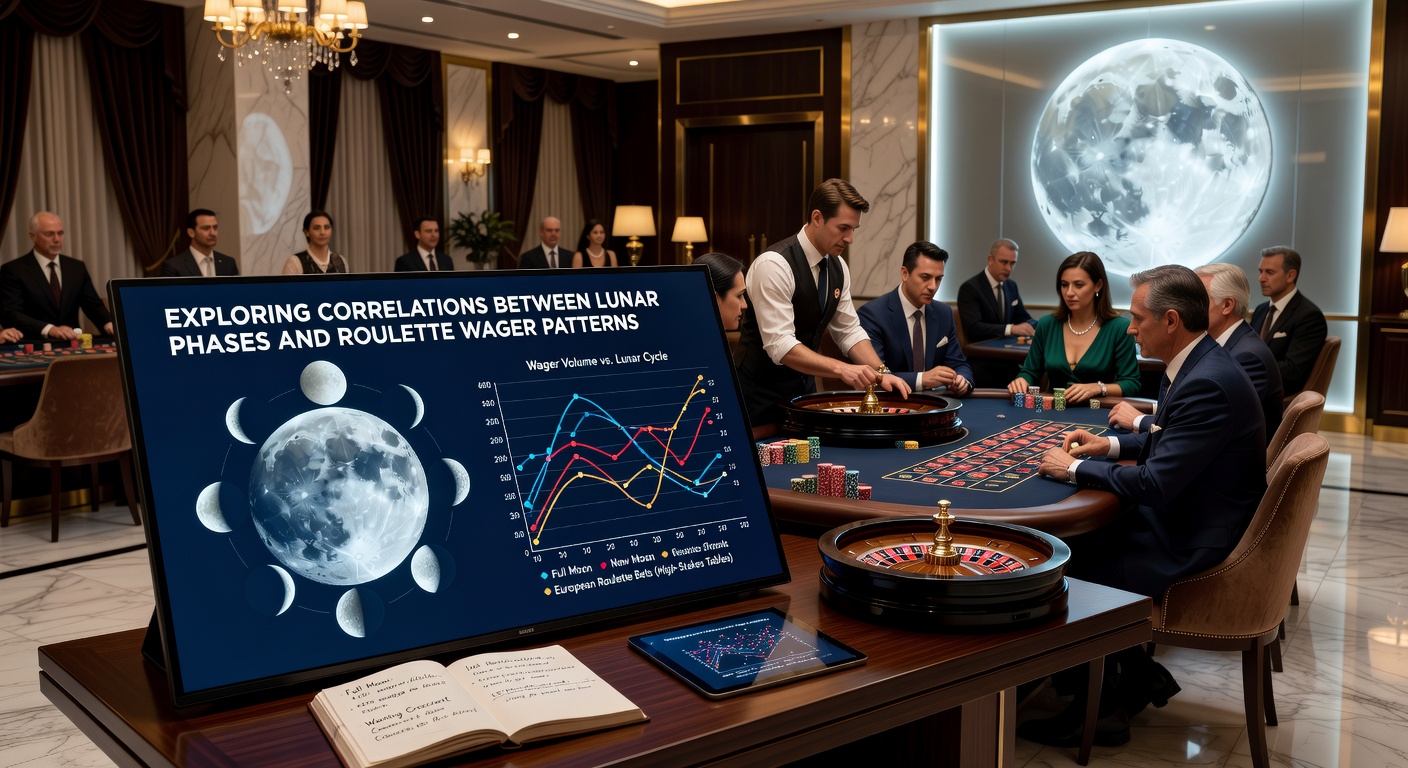
European casinos have long attracted attention for possible links between lunar phases and player behavior at roulette tables, and analysts continue to examine records from major venues across the continent to determine whether any measurable patterns emerge during different stages of the moon cycle. Researchers collect extensive data sets from establishments in France, Germany, and Monaco where roulette remains a staple game, tracking bet types such as red-black wagers, column selections, and high-low stakes as the lunar cycle progresses from new moon through first quarter, full moon, and last quarter. Data gathered during these periods often includes volume of bets placed, average stake sizes, and frequency of color or number selections, allowing statisticians to compare outcomes across multiple months of observation.
Understanding Lunar Phases in Relation to Casino Activity
Each lunar phase lasts roughly seven to eight days, and observers note that casinos in urban centers like Paris and Baden-Baden maintain detailed logs of table activity that align with these intervals. During the full moon phase, for instance, some facilities report slight increases in overall foot traffic, yet comprehensive reviews of roulette-specific metrics reveal only minor fluctuations in wager distribution. Studies conducted by independent research groups show that average bet amounts per spin remain consistent across phases, while the proportion of even-money bets versus inside number selections stays within expected random variation. European regulatory bodies track such information as part of broader industry oversight, ensuring transparency in how venues record and report player patterns without attributing causation to external celestial events.
Data Collection Methods Across Venues
Casino operators in several jurisdictions employ electronic tracking systems that timestamp every roulette spin and associated wager, creating time-stamped records that researchers cross-reference with astronomical calendars. In May 2026, analysts at multiple sites compiled several weeks of such data coinciding with a full moon period and compared it against adjacent new moon intervals, finding that shifts in player preference for certain bet categories fell within standard deviation ranges observed during control periods. These comparisons rely on large sample sizes drawn from thousands of spins per venue, reducing the impact of individual player anomalies and highlighting aggregate trends instead.
What's interesting is how historical folklore about lunar influence persists alongside modern statistical scrutiny, prompting some operators to review past seasons for any recurring signals. Yet quantitative assessments consistently point toward random distribution rather than predictable alignment with moon stages. European industry reports emphasize that roulette outcomes depend on wheel mechanics and random number generation protocols approved by oversight authorities, leaving little room for external factors to alter house-edge calculations or player return percentages.
Statistical Findings from Recent European Analyses
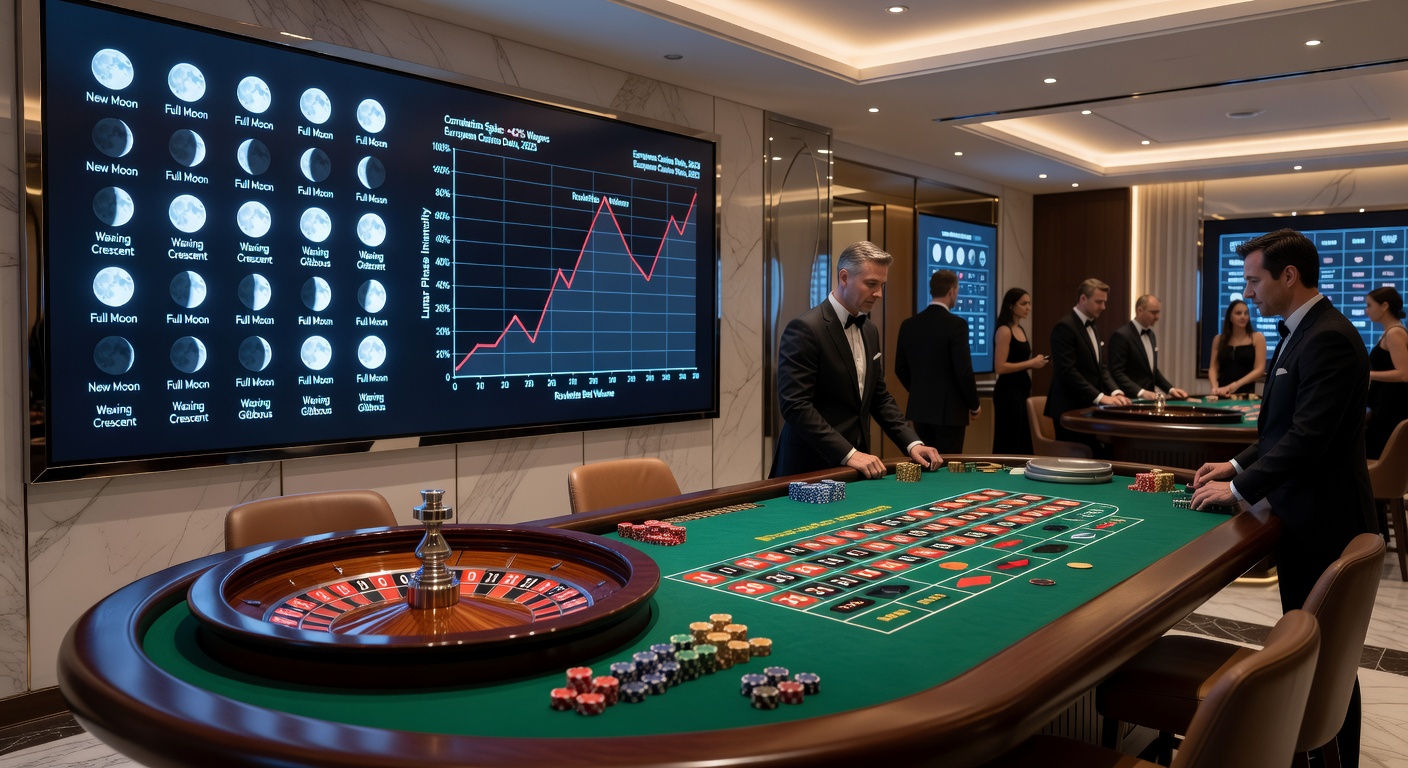
Research teams at universities in Switzerland and the Netherlands have applied regression models to roulette data sets spanning several years, incorporating variables such as time of day, day of week, and lunar phase simultaneously. Results indicate that lunar phase accounts for less than one percent of variance in bet size or type selection, while factors like promotional events and seasonal tourism produce far larger measurable effects. According to findings published through the European Gaming Association, aggregate wagering volumes at monitored roulette tables demonstrate stability across moon cycles, with peak activity correlating more closely to weekend schedules and holiday periods than to celestial events.
Observers note that players sometimes adjust their strategies based on personal beliefs about luck cycles, yet recorded outcomes do not support systematic advantages tied to specific phases. In jurisdictions where detailed public summaries appear, figures reveal that the distribution of winning numbers and payout ratios adheres closely to theoretical probabilities regardless of moon position. This consistency holds even during periods of heightened media interest in lunar phenomena, suggesting that any anecdotal reports of unusual play remain isolated rather than representative of broader patterns.
Regional Variations in Roulette Monitoring Practices
Venues along the French Riviera maintain some of the most granular logging procedures in the region, while German and Austrian casinos contribute comparable data sets through standardized reporting frameworks. These differences in record-keeping allow cross-border comparisons that strengthen overall conclusions about the absence of strong lunar correlations. Regulatory frameworks established by national gaming authorities require verification of random outcomes, further insulating results from claims of external influence. Analysts who examine multi-year archives find that any apparent spikes during particular moon phases dissipate once larger data pools are analyzed, underscoring the importance of sample size in such investigations.
Conclusion
Comprehensive reviews of roulette activity across European casinos demonstrate that wager patterns align with expected statistical norms irrespective of lunar phase, according to aggregated industry data and academic evaluations. Ongoing monitoring continues to refine these assessments, incorporating new technological tools for precision tracking while maintaining focus on verifiable metrics. Players and operators alike benefit from clear information showing that game integrity rests on mechanical and procedural safeguards rather than celestial timing, allowing focus to remain on established probabilities and responsible play guidelines.