Decoding the Role of Background Music Variations in Shaping Wager Amounts at Virtual Table Games
Sage Schröder · Jun 24, 2026
Decoding the Role of Background Music Variations in Shaping Wager Amounts at Virtual Table Games
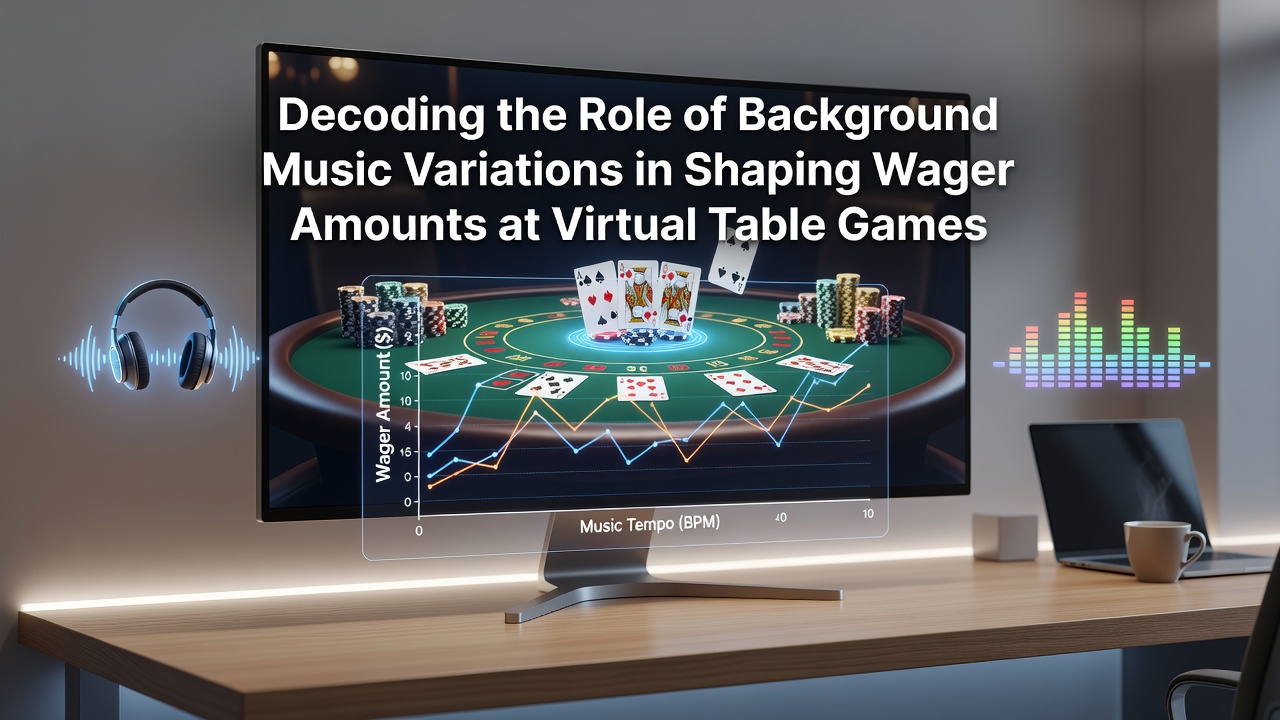
Virtual table games have incorporated layered audio tracks for years, yet researchers continue to examine how tempo shifts, genre selections, and dynamic volume changes correlate with adjustments in bet sizing across digital blackjack, roulette, and poker platforms. Multiple studies track player sessions in controlled environments where background tracks vary from 60 beats per minute ambient loops to 140 beats per minute electronic pulses, revealing measurable differences in average wager values within the same participant groups.
Audio Elements in Licensed Platforms
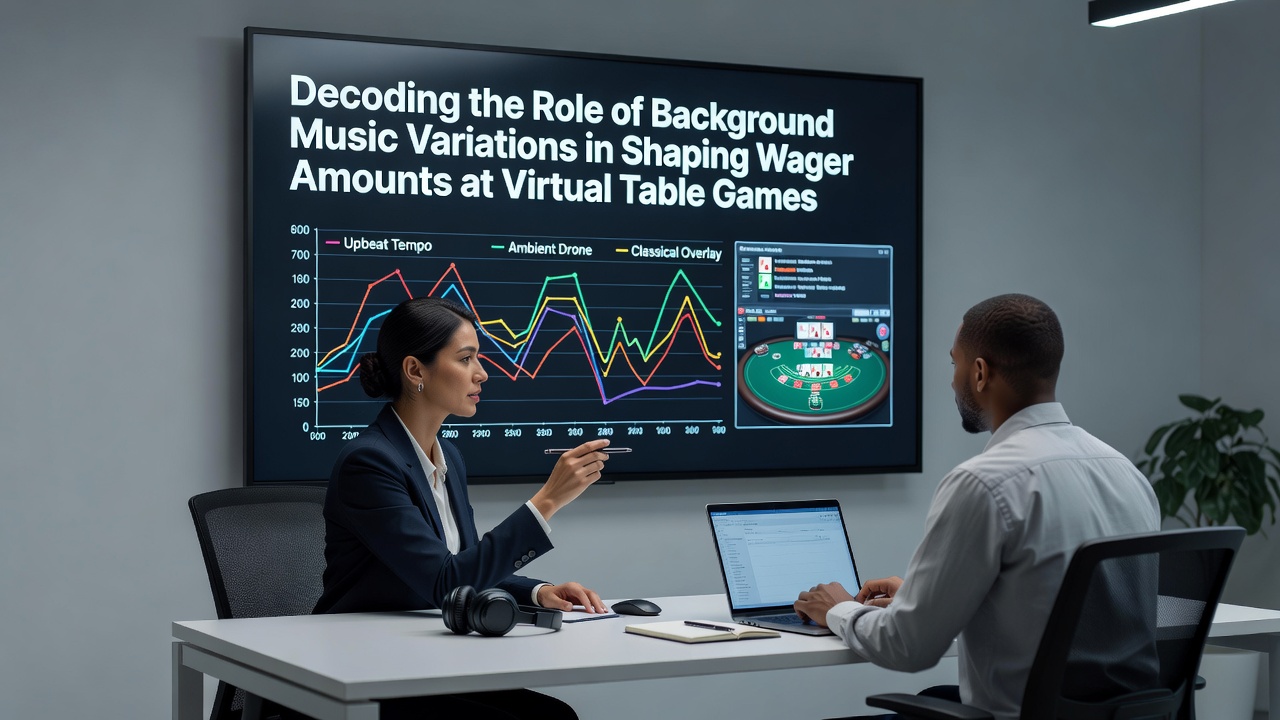
Operators adjust music parameters based on session analytics supplied by platform providers, and data collected across European and North American servers during spring 2026 shows that tracks exceeding 120 beats per minute coincide with increased bet frequency on roulette wheels and blackjack tables. Sessions logged in June 2026 across several major networks indicated that players exposed to higher-tempo selections raised average wagers by noticeable margins compared with those hearing slower, atmospheric selections, while volume spikes above 75 decibels correlated with shorter decision intervals before chip placement.
Platform developers integrate adaptive sound engines that respond to in-game events, such as card reveals or wheel spins, and these systems layer additional percussive elements when progressive side bets activate. Observers note that such layering often occurs alongside visual cues, creating combined stimuli that researchers link to altered risk assessment patterns in repeated trials.
Research Findings on Tempo and Betting Behavior
A 2025 study conducted at a Canadian university examined 420 participants across 12,000 virtual table rounds and reported that exposure to music at 130 beats per minute produced larger average bets on even-money propositions than identical rounds paired with 80 beats per minute selections. The same investigation tracked heart-rate variability and found elevated arousal metrics aligned with faster tracks, although individual differences in baseline music preference moderated the effect size.
Additional work published in an Australian gaming technology journal tracked real-money sessions on licensed sites and identified that genre switches from jazz instrumentals to electronic dance tracks coincided with a 9 percent rise in maximum bet selections during blackjack hands. Those datasets also captured regional differences, with participants accessing platforms from urban centers showing stronger responses to tempo increases than rural cohorts.
Regulatory and Industry Monitoring Approaches
Gaming authorities in multiple jurisdictions now request audio configuration logs during compliance audits, and the Australian Gambling Research Centre released guidance in early 2026 encouraging operators to document music parameter changes alongside bet distribution statistics. Similar reporting frameworks appear in Ontario and several EU member states, where aggregated session data must separate audio variants to allow independent review of potential behavioral influences.
Industry associations have begun sharing anonymized datasets that include music metadata fields, enabling cross-platform comparisons that were unavailable before 2024. These exchanges reveal that certain table game titles maintain fixed playlists while others employ randomization algorithms that cycle through pre-approved libraries every 15 minutes, creating natural experiments for ongoing research.
Player Segmentation and Sound Preferences
Session analytics divide participants into cohorts based on historical bet sizing patterns, and preliminary findings suggest that high-frequency players demonstrate smaller wager shifts when music tempo changes compared with infrequent visitors. Platform operators use these segmented profiles to test limited audio variants during A/B deployments, though regulatory rules in several markets require disclosure when such tests involve real-money accounts.
Sound designers working with game studios report that they receive requests to create alternate mixes for specific table limits, and lower-stakes environments often receive softer, slower selections while premium tables feature more energetic tracks. Data collected through June 2026 indicates these customizations align with observed differences in average bet amounts across the two environments.
Future Data Collection Standards
Research institutions continue to refine methodologies that isolate audio effects from concurrent visual and reward schedule variables, and several ongoing projects plan to publish results through 2027. Current protocols call for randomized assignment of music conditions within matched participant groups and require replication across multiple game types before conclusions are drawn about broader wagering trends.
Conclusion
Evidence compiled from controlled trials and operational datasets demonstrates consistent associations between background music characteristics and wager adjustments at virtual table games, although the magnitude of these associations varies with player history, game type, and regional factors. Continued collection of granular audio and betting logs will allow more precise mapping of these relationships as platforms evolve their sound design practices.